
Conversation | December 16, 2025
Micro-Forests: Planting for Greener Cities and Regenerated Soils with Ofi Invest Real Estate
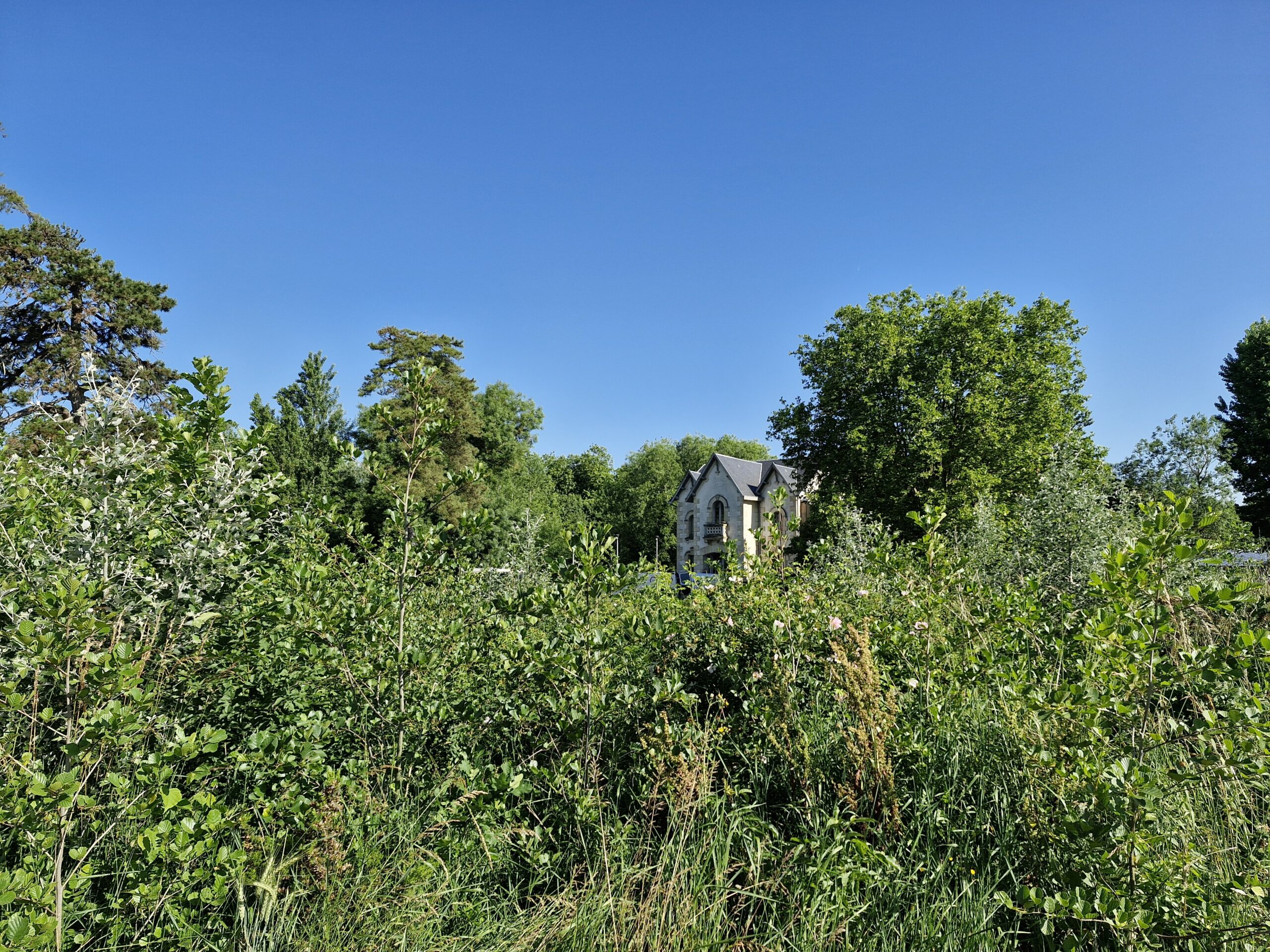
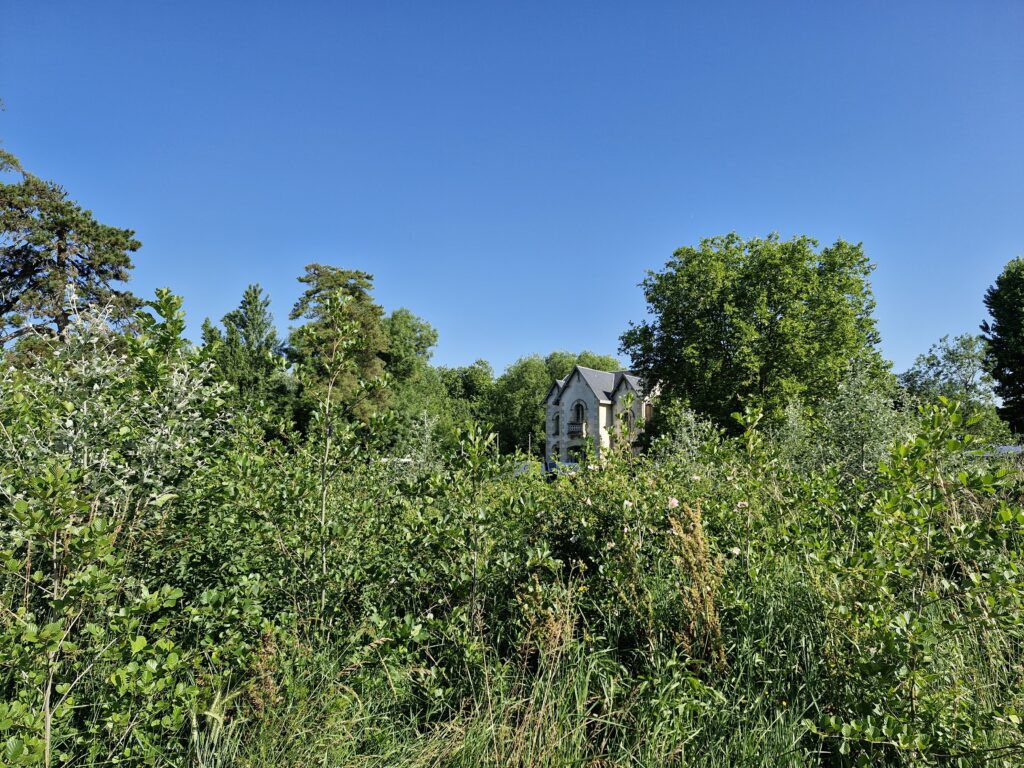
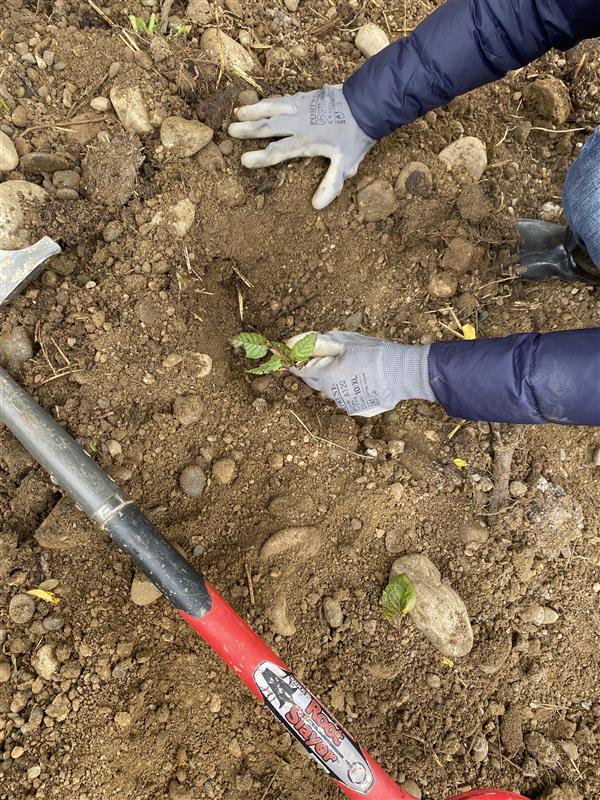
Since 2023, as part of its ESG approach, Ofi Invest Real Estate, in partnership with MACIF, has been rolling out an ambitious micro-forest planting project across several of its managed properties. The goal: bring nature into the heart of urban areas, make cities less concrete-dominated, regenerate soils, and support biodiversity.
These micro-forests are planted in collaboration with Alvéoles en Ville and Urban Forests, following the Miyawaki method, renowned for creating dense, self-sustaining urban ecosystems.
Why launch a micro-forest program in cities?
Redouane Benzerroug, ESG Director at Ofi Invest Real Estate SAS: “At Ofi Invest Real Estate, biodiversity and climate protection are at the core of our priorities. Planting micro-forests aligns perfectly with our commitment to a sustainable future. These micro-forests address key urban challenges: they recreate natural ecosystems, boost biodiversity, reduce heat islands, and regenerate degraded soils. They offer a tangible way to reconnect city dwellers with nature.”
Roseline Desgroux, Co-Founder of Alvéoles en Ville :
“We founded Alvéoles en Ville five years ago with a simple goal: to help cities breathe through living nature. By creating a network of micro-forests, we aim to make urban spaces greener and more pleasant.
This vision can only succeed with committed partners. Ofi Invest Real Estate—and MACIF—were among the first to believe in it and integrate it into their corporate projects.”
You use a specific approach known as the Miyawaki method to plant micro-forests. Could you tell us more about it?
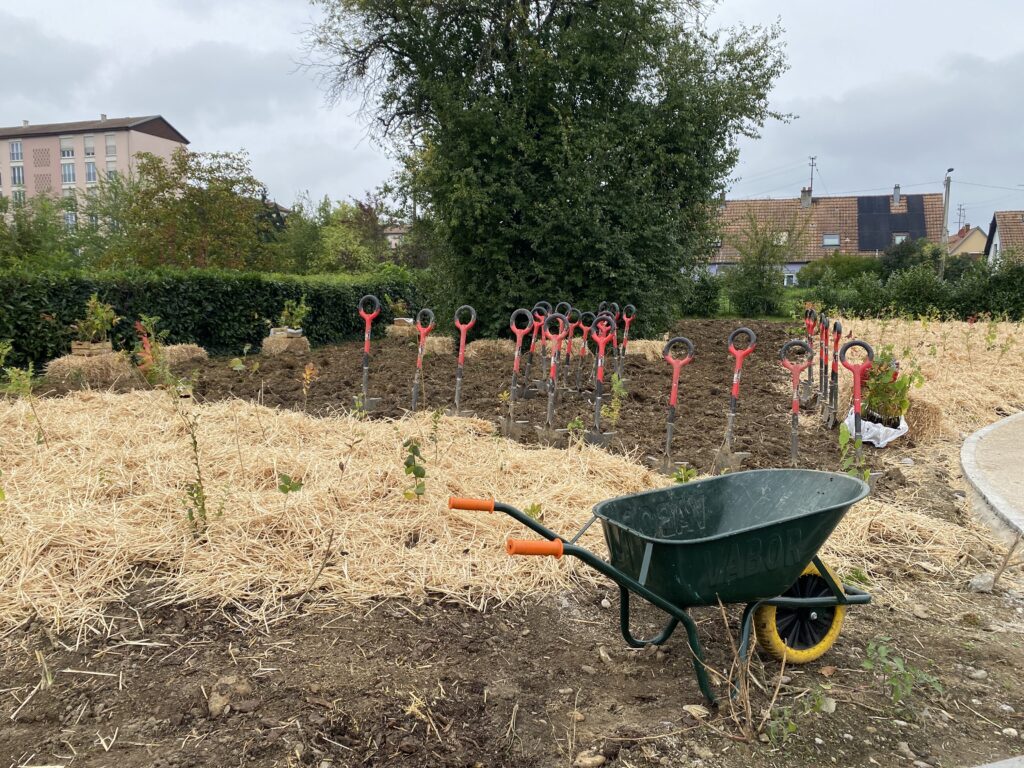
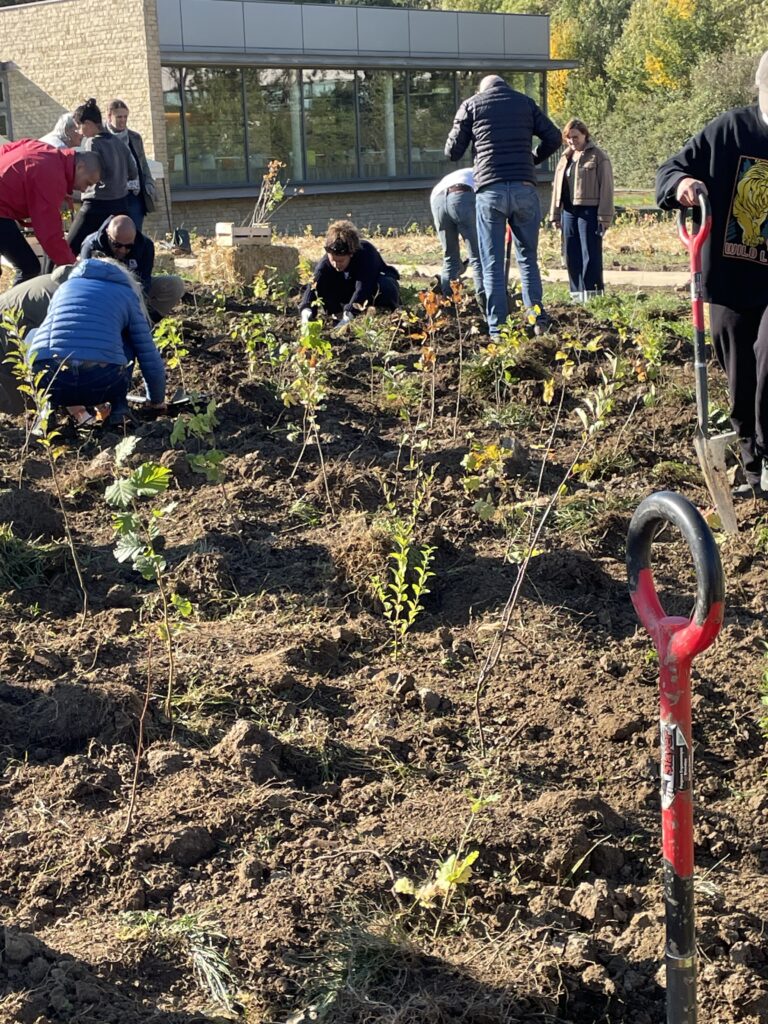
Roseline Desgroux – Alvéoles en Ville : “The Miyawaki method, tested over the past 50 years, allows us to recreate real forest ecosystems on small plots—perfect for urban areas. It rests on three pillars:
- Soil regeneration – carefully preparing the soil at planting to restore as much life as possible, essential for the forest’s growth.
- Restoring the original forest – reintroducing the local plant community with high species diversity, as close as possible to what once existed naturally.
- Dense planting – planting three trees per m², then letting nature take over, with minimal maintenance for 3–4 years.
After a few years, the micro-forest becomes self-sufficient, vigorous, and highly resilient.”
What tangible results have you seen since these planting projects began?
Redouane Benzerroug – Ofi Invest Real Estate SAS: “Since 2023, we have planted 18,060 trees across five managed sites for one of our clients: Illzach (68), Bessines in Niort (79), Nantes, and Paris 19th district. Our goal is to plant over 20,000 trees by 2030. These micro-forests not only regenerate soils, create cool islands, and attract insects and birds, but they also provide employees with a healthier and more enjoyable environment.
We are monitoring the Niort micro-forest planted in 2023 to assess its impact on biodiversity. The early results, after just one year, are very encouraging. We’ve identified six heritage plant species around the micro-forest, including Fritillaria meleagris, Marsh Euphorbia, and Oenanthe lachenalii—an exceptional find in an urban park.
The wildlife is remarkable: 50 bird species have been recorded, 11 of which use the micro-forest directly; 12 bat species have been observed; European otters are present along the waterway; and several reptiles inhabit the drier areas.
Among insects, 20 butterfly species have been identified, including the rare and protected Bacchante, along with five dragonfly species and 14 orthopteran species, five of which live in the micro-forest. We even observed a weasel using the space to hunt rodents and feed its young.
These findings show that such urban projects can become real reservoirs of life.”
Redouane Benzerroug
ESG Director at Ofi Invest Real Estate SAS
Roseline Desgroux