Article | December 16, 2025
When Design Becomes a Tool for Soil Regeneration: The SWEN-Ecole des Arts Décoratifs - PSL Collaboration
“Stepping aside is an incredibly valuable stance. Being at the center isn’t always the best place — it’s often from the margins, from the periphery, that we gain a different perspective.” These were the words Emmanuel Tibloux used in September 2025 in Issy-les-Moulineaux to welcome 72 first-year students of the École nationale supérieure des Arts Décoratifs (ENSAD). An explicit invitation to shift perspective, to change the way they see things — and, above all, to make space for the soil. In their values, their gestures, and their approach to design.
Reconnecting Creativity with Soil Challenges
Thanks to a partnership with SWEN Capital Partners, this academic year began with a foundational day. Armed with notebooks and senses alert, students were invited to reconnect with the earth, to explore what lies beneath their feet, and to make it the starting point for their creative reflections.
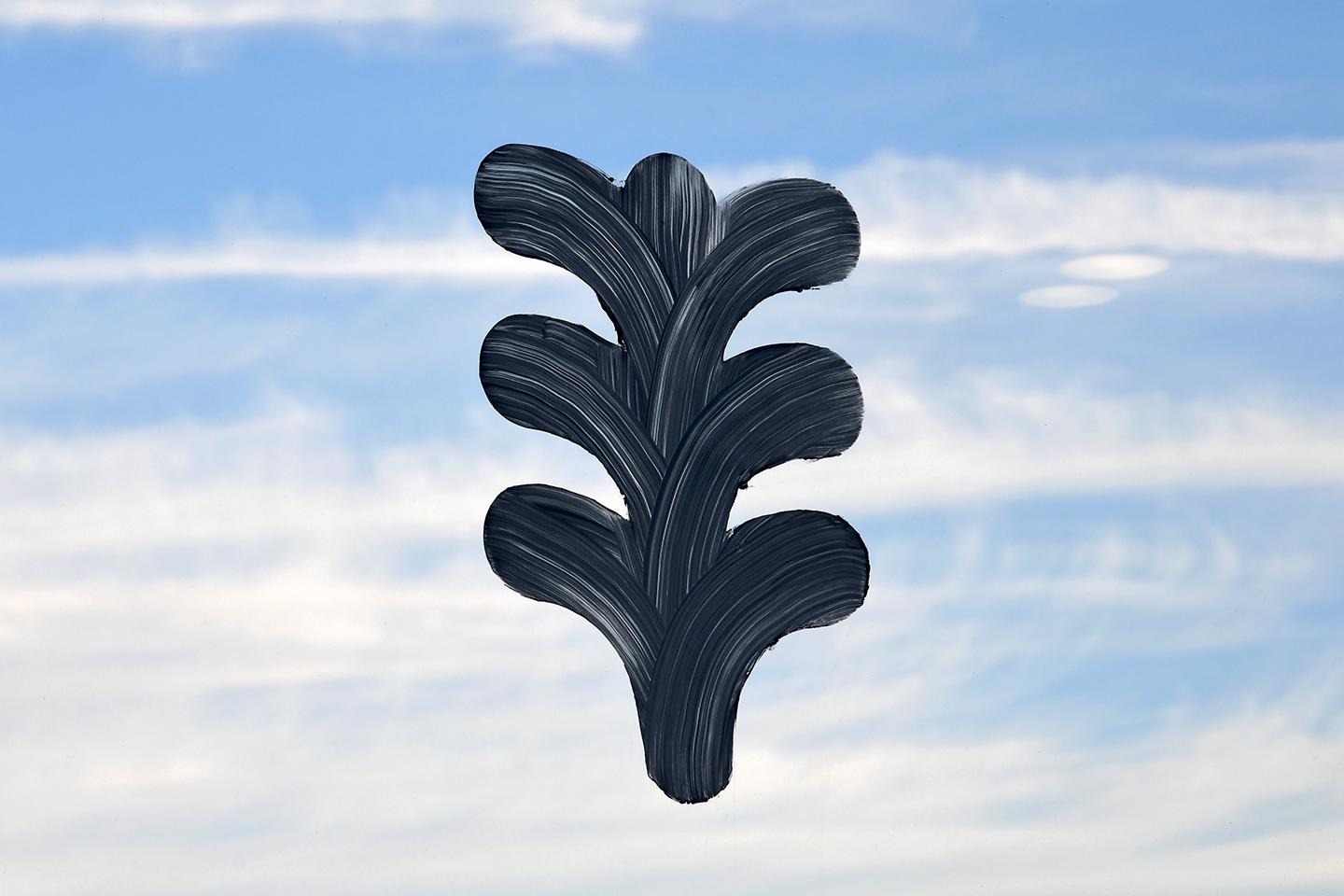
From this immersion emerged drawings — one or more per student — capturing the inspirations, sensations, and questions sparked by the experience. A rigorous jury then selected three standout works, which were honored with the Utopias by SWEN Awards on October 14.
The Importance of Territorial Roots
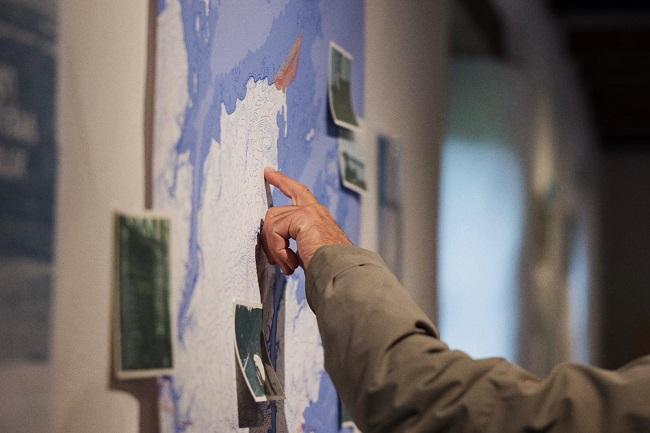
At the other end of the educational journey, SWEN also supports ENSAD’s post-master program, Design of Territories, run by the École des Arts Décoratifs – PSL in partnership with the French Ministry of Culture. This year-long program functions as an immersive experience within specific landscapes: mountainous, coastal, rural, forested, insular, or urban.
Students work in multidisciplinary teams of five to six designers, architects, and landscape architects, tackling real-world challenges related to land use, conflicts, and territorial transformations. Across all projects, the soil emerges as a central theme: a living foundation, a fragile resource, a space of tension — but also of possibilities.
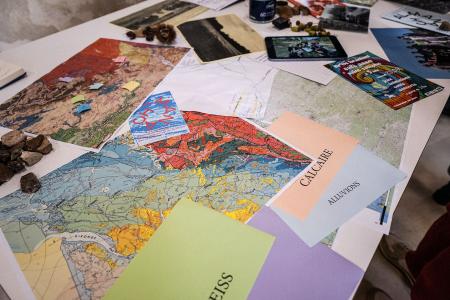
Each year begins with a field session, known as arpentage, conducted alongside soil specialists, foresters, geologists, shepherds, and local residents. These scientific and empirical insights inform projects that address issues ranging from conflicts between agropastoralism and tourism in mountainous regions, to the relocalization of timber supply chains in forests, and debates over the siting of energy infrastructure on the coast.
An Award to Highlight and Amplify
Within this framework, SWEN supports the program by granting a special award to the project most closely aligned with soil regeneration objectives. The jury included Stéphane Corréard, art critic and curator; Claude and Lydia Bourguignon, internationally renowned soil microbiologists; and Claudia Ferrazzi, founder of Viarte.
“The Utopias award not only shines a spotlight on our program, but also represents recognition from a world that is, at first glance, quite distant from ours. Most importantly, it allows the winning project to advance further in its development”, notes Emmanuel Tibloux.
For SWEN, this collaboration reflects a deeply held conviction: art and design have the power to transform perspectives, open new horizons, and tangibly support transformative strategies. Supporting projects aligned with Utopias’ regeneration values is therefore a natural choice.
What’s Next?
The partnership between SWEN and ENSAD will continue with the second cycle of Utopias, launching in June 2026, to keep fostering meaningful connections between art, territories, and responsible finance.
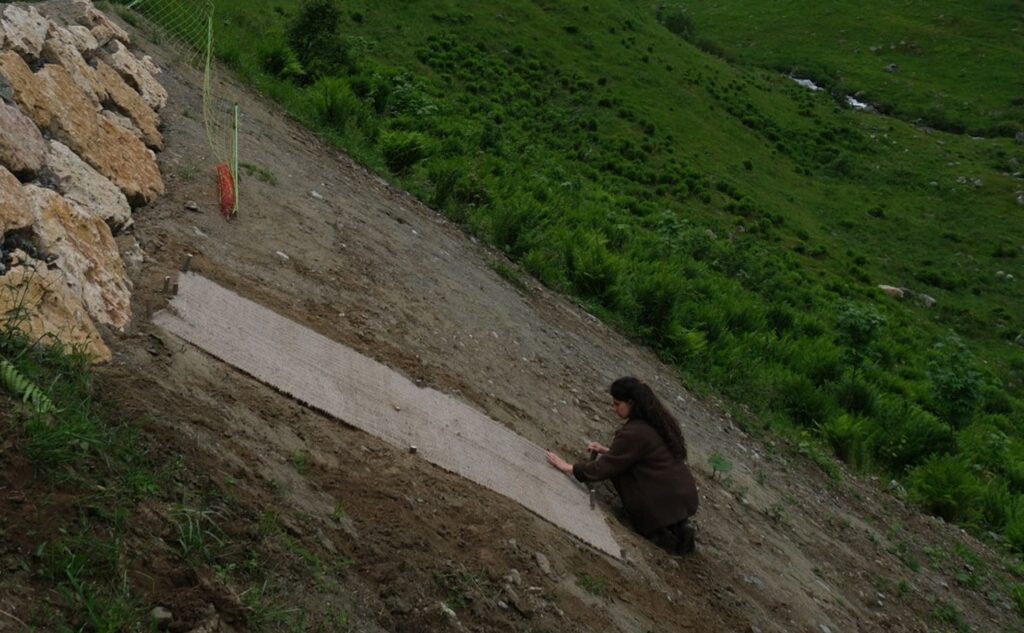
Tout Schuss: Healing Mountain Soils with Living Textiles
The jury awarded the project “Tout Schuss: greening natural areas degraded by human activity”, led by Alice Bertrand.Using ski slopes as their study site, the project starts from an undeniable observation: these spaces face intense pressures — earthworks, daily grooming, trampling, and the use of low-biodiversity non-native seeds — which severely weaken soils and landscapes. By comparison, a mountain meadow can host up to 42 plant species per square meter, while a ski slope barely supports a dozen.
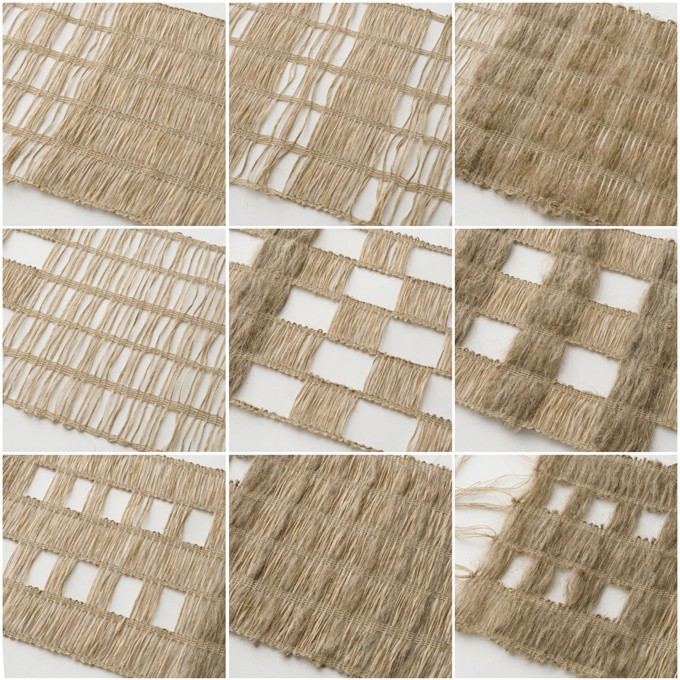
In response to this artificialization, Tout Schuss offers a solution that is technical, ecological, and poetic. The project relies on linen geotextiles, designed as literal “bandages” for the landscape. Laid directly over eroded areas, these textiles hold local seeds and mycorrhizal fungi beneath their weave, promoting plant regrowth, stabilizing the soil, and restoring underground symbioses.
The gauze weave allows the textiles to follow the terrain’s contours while letting air, water, and light pass through. Designed to be temporary, they gradually degrade as vegetation grows, eventually disappearing to give way to life. The landscape then passes through three visible stages: degradation, care, and regeneration.
Beyond their ecological effectiveness — monitored through careful scientific tracking of vegetation, roots, and soil — these textiles also serve as an educational and sensory tool. Seen by locals, hikers, or hunters, they make usually invisible problems visible and invite reflection on our relationship with mountain territories, often idealized but deeply affected by human activity.
By combining textile design, ecology, and soil science, Tout Schuss embodies a different way of acting: healing rather than exploiting, supporting life rather than constraining it. A project that blends poetry, rigor, and concrete action — perfectly illustrating the ambition of Utopias.