
Article
Article | October 2, 2026
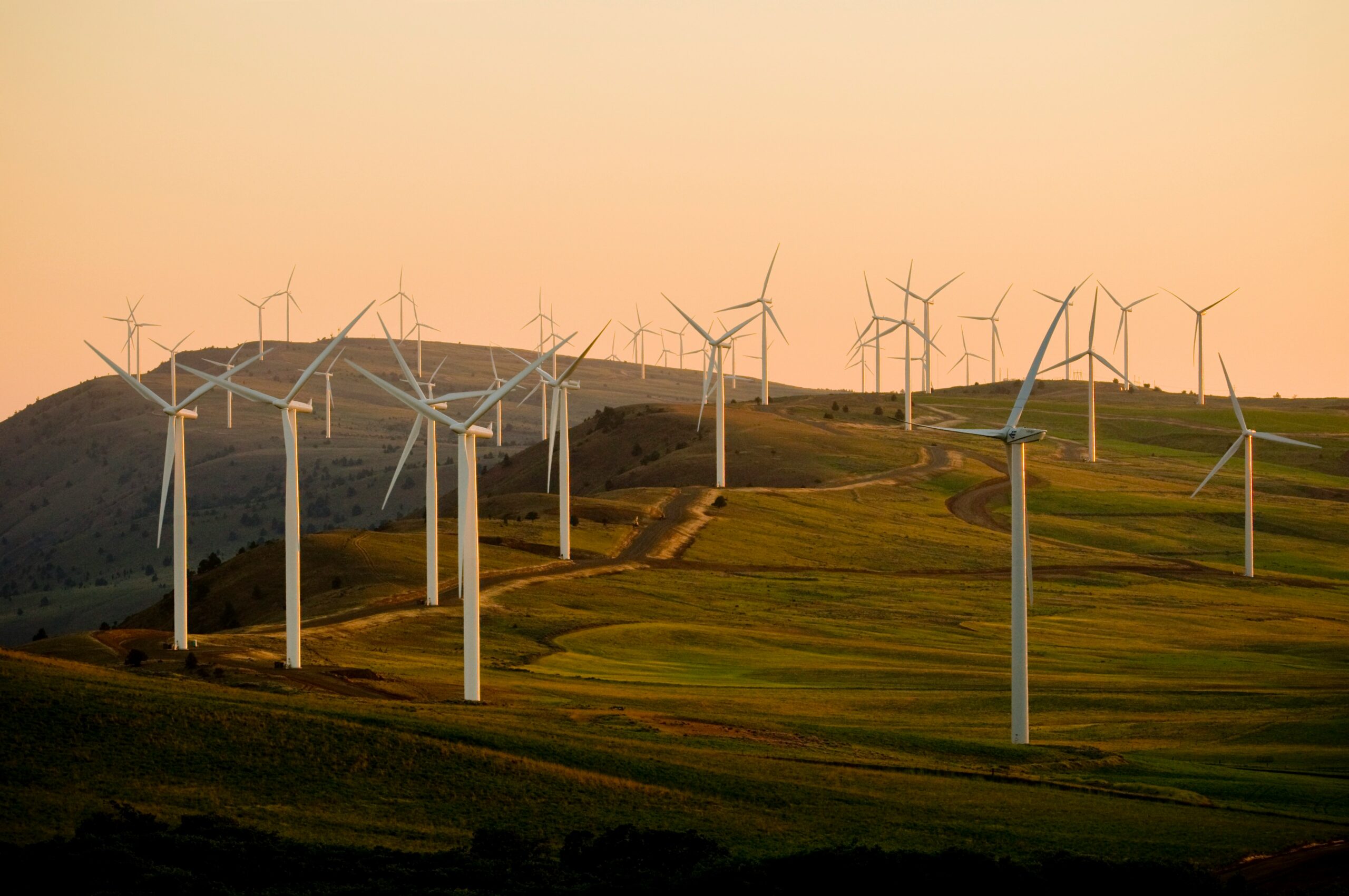
When Ralf Grass founded energieTEAM in 2002, wind power was still a fringe technology in France, viewed with a good deal of caution. Twenty years on, the developer operates nationwide across wind, solar and storage, generating up to 2% of the country's annual electricity output. Its journey reflects how French communities have come to see renewable energy in a new light.
In the early 2000s, wind turbines were little understood and met with a mistrust that had to be addressed locally. “It took a huge amount of explaining,” recalls Ralf Grass. Showing how the turbines work, responding to concerns, demonstrating the benefits: the groundwork was laid town by town.
That effort has paid off. The energy transition is no longer a distant prospect. It is visible in the landscape, in local authority budgets, and in the livelihoods of farmers who host installations on their land.
For energieTEAM, no wind project can succeed without the support of the people who live with it: landowners, farmers, elected officials, town councils and local residents.
That support is built over time, through ongoing dialogue: public consultation meetings, visits to operating wind farms so residents can see for themselves what life alongside one really looks like, and direct conversations to hear their concerns. The project then evolves in response to what has been said, whether in its location, its scale or the commitments made. A project imposed from outside tends to divide; one shaped with the community has every chance of bringing it together.
Where a wind farm is already in place, repowering, which means replacing ageing turbines with more efficient ones, starts with a real advantage: residents who already know what living alongside a wind farm involves, from its visual and noise impact to its economic benefits. That familiarity makes dialogue easier and often goes hand in hand with genuine local ownership. As Ralf Grass notes, “younger generations who grew up with these turbines on their horizon sometimes feel a real attachment to keeping them.”
This favourable context is no excuse for cutting corners. The case still has to be made for what renewal will bring the town over the next twenty five years, in terms of installed capacity, tax revenue and how well the turbines sit in the landscape. Done well, repowering is also a chance to fix what did not quite work the first time round and to “offer something better suited to the area as it is today,” says Ralf Grass.
The energy transition cannot be separated from the question of sovereignty. A territory that gets its transition right produces a significant share of the energy it consumes and roots that production in its local fabric, bringing farmers, local authorities and businesses on board. In doing so, it helps make Europe less exposed to external shocks. “Wind power in France is not a utopia. It is part of the answer, provided we collectively choose to put it into practice.”
Article
Video
Article