
Article

Article | May 12, 2026
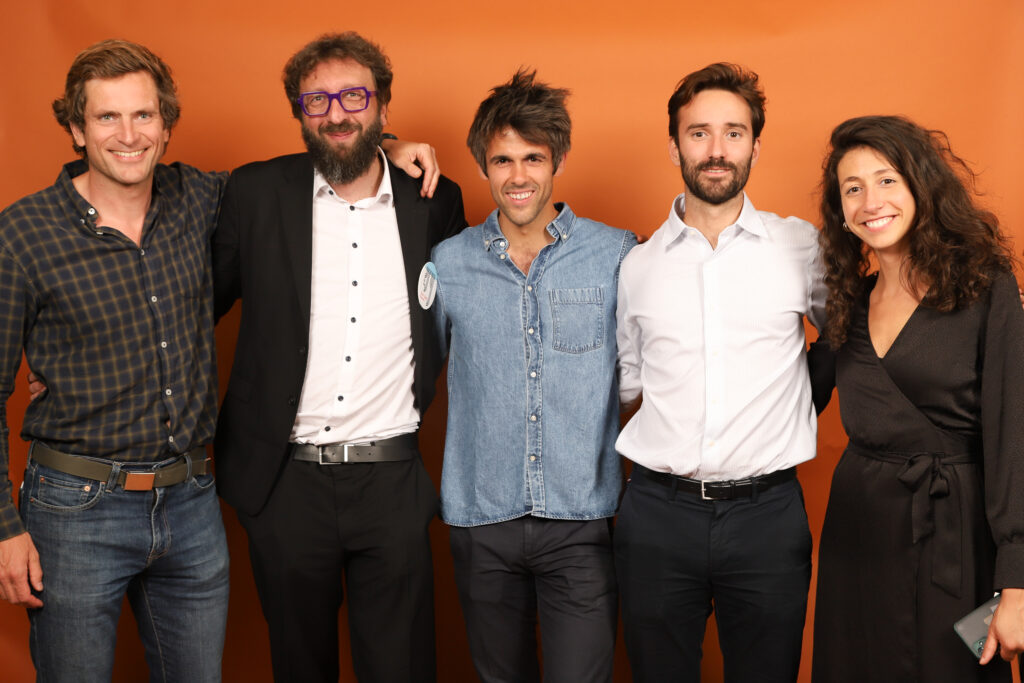
A utopia isn't a page you turn. It's the beginning of a story, one that draws in new territories, new ideas, new believers with every step forward. When we brought our community together for the first time, on the evening of June 24, 2025, we gathered around a subject most people still knew little about: the life beneath our feet.
That invisible world, ancient, threatened, quietly exhausted by generations of intensive farming while almost no one stopped to notice. We had made a bet: that making the invisible visible could change something. That naming an emergency with enough poetry and conviction could shift perspectives, and perhaps, in time, practices, investments, initiatives. We believe that bet paid off.
But a utopia is not a destination. It is, as Oscar Wilde wrote at the opening of this adventure, the country where humanity lands, before setting sail again. And that movement is precisely what we want to reflect on as we close this first year: the question of soil health is not resolved. Far from it. Our soils are sick, and rebuilding them will take decades. What we have started with SWEN Terra, those first €100 million invested in a new generation of farmers, is only a beginning.
Because over a year of encounters, conversations, podcasts and shared thinking, something became impossible to ignore: the question of soil cannot remain only a question of soil.
It is a question of territory, of how men and women inhabit the land. Not land as biological substrate, but land as common space, as a place to live, as a collective project.
What interests us is the full picture: regenerated soil feeding a community, woven into shared endeavors. The way the living world and the human world heal together.
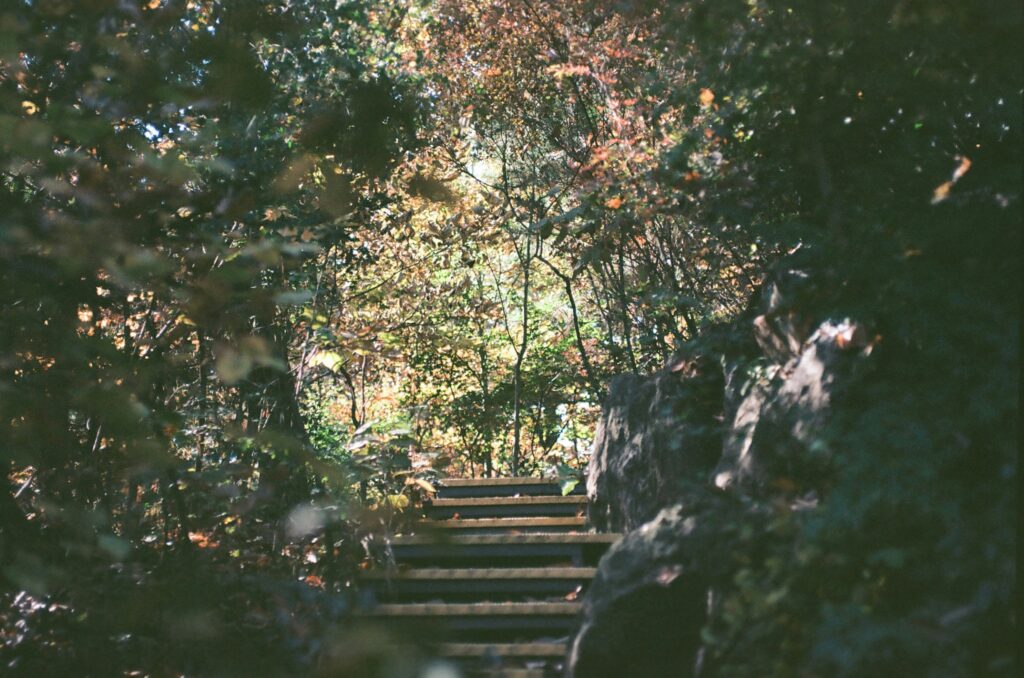
From Mellé in Brittany and Le Grau-du-Roi on the Mediterranean. From Caribbean coral reefs. From restaurant kitchens where local produce reclaims its worth. From all the places where women and men, with their own constraints, their own resources, their intimate knowledge of the land, are inventing solutions no one could have designed for them from the outside.
Territory is not a retreat. It is a strength. Our own field taught us this. Mutualism, the philosophy that runs through the history of the Aéma Group, to which SWEN CP belongs, has always understood something classical capitalism long ignored: that trust is built through proximity, that solidarity needs a face, and that shared risks are better managed by those who live them than by those who model them from a distance. Territory is where that trust lives. It is the scale at which people can look each other in the eye.
The world outside is unsettled. Balances are shifting. Old certainties are crumbling, replaced, too often, by louder, ready-made ones that claim to speak for everyone.
In that noise, a temptation exists: to retreat, to raise walls, to see the other as a threat rather than a resource.
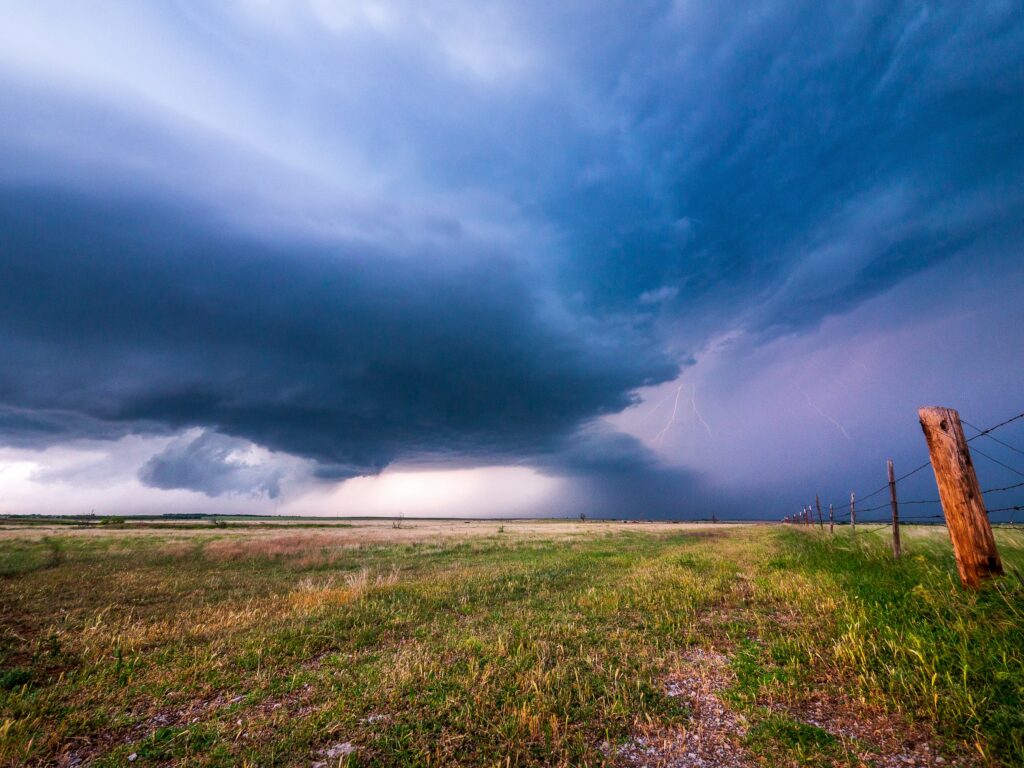
We believe the opposite. We believe it is in territories, in these spaces of shared life, common memory, and real interdependence, that a different relationship to the world can take root. A vision built not on a single center but on collective, multidisciplinary pluralism: multiple perspectives, multiple kinds of knowledge, working in relay, completing one another, holding the complexity of our environments together.
Not the utopia of some unreachable elsewhere, but the utopia of a transformed here. Where we eat what the land next door produces. Where we invest in what our neighboring businesses are building. Where we map what we couldn’t see before, in order to understand it better. A polyphonic utopia, made of as many voices as there are dimensions to a territory, and drawing its strength precisely from that diversity.
Familiar faces will be there. We’ll open the Bourguignons’ wine, that Cahors that has become, without quite planning it, the taste of our community. We’ll welcome new members, new perspectives, new voices worth hearing.
We’ll let ourselves be surprised: by maps that show France differently, by a fish heart beating in the dark, by artists who remind us that the world’s beauty is still there, stubborn, alive, inexhaustible. And we’ll leave, as we did last time, a little different.
That once you’ve seen the Earth from a distance, you can no longer bear to damage it, you want to protect this common good we all share. Perhaps that, at its core, is the utopia of territories: to see large in order to act right.
And that, we believe, is what utopias are truly for, not to console us about reality, but to give us the momentum to transform it. The sea is ahead of us. The sails are ready. It’s time to set out again.
Article
Article
Article